

Surviving the Tennessee Snowstorm Together

Surviving the Tennessee Snowstorm Together
By: Michelle Madden, LPC, CADCII
Surviving Snowmageddon Together
What the January 2026 Storm Looked Like Inside Magnolia Meadows
Late January brought a significant ice storm across Middle Tennessee, impacting communities from Davidson County through Humphreys County and beyond. Ice accumulated quickly, temperatures stayed dangerously low, and widespread power outages left many people navigating days of uncertainty. Roads became unsafe. Travel plans have changed. Power restoration stretched on. First responders across the region continued working long shifts, often while dealing with the same storm conditions at home. Inside Magnolia Meadows, treatment didn't stop. It adjusted.
Inside the House During the Storm
At the height of the storm, we had seven clients in residence, each in a different place in their recovery. Some have just arrived, others were still warming up, emotionally and physically. All of them were suddenly navigating treatment while the outside world slowed to a standstill. Despite icy roads and flight concerns, one client arrived safely from Georgia on Monday, January 26. Another client was discharged the same day, supported by staff committed to making sure transitions happened safely, even under difficult conditions. That first evening set the tone.
 'That night, everyone was in the kitchen working together to make supper. It was great to see,'
Firefighter-current client.
'That night, everyone was in the kitchen working together to make supper. It was great to see,'
Firefighter-current client.
What could have felt isolating instead became communal. Clients cooked together. Staff jumped in. There was conversation, laughter, and a shared sense that everyone was in this together.
When the Outside World Feels Unstable
Storms don't just change schedules; they affect nervous systems. For many trauma-exposed individuals, especially first responders, severe weather can increase anxiety, heighten hypervigilance, disrupt sleep, and bring up an old, familiar sense of not being in control. Add power outages, limited movement, and concern about work or family back home, and it's not uncommon for emotions to surface quickly. Some clients felt that immediately. 'It took me a few days to warm up. With the whiteout conditions and minimal staff, I expected things to fall apart but they didn't.' Others struggled with being off work and sitting still. 'I've been dealing with depression and anxiety, especially with not working. That part has been hard.' What mattered most was that the house stayed steady.
Adapting Without Losing Structure
When conditions required it, some clinical programming shifted to virtual delivery. That wasn't ideal, and clients were honest about that. 'Virtual groups weren't really what I expected or wanted.' At the same time, effort was noticed. 'The staff did everything they could to keep treatment on track,' Former Police Officer. Clinical staff stayed engaged despite power interruptions and connectivity challenges. Groups continued. Individual sessions continued. The structure of the day remained intact and for many clients, that predictability was grounding.
Showing Up Under Pressure Storms reveal systems and they reveal people. Our nurse and client care tech stayed on site throughout the entirety of the storm, working extended hours with minimal sleep to ensure safety, medication management, meals, and emotional support continued without interruption. Our Program Manager stepped in wherever needed; transporting staff, securing groceries and supplies, and tracking down individualized items requested by clients, so care remained personal and consistent. One staff member went above and beyond; navigating icy roads to safely transport clients, retrieve essential supplies, pick up our Chef, and later shovel walkways and the smoking area so clients could safely access the outdoor patio as conditions improved.
This wasn't about heroics; it was about showing up.
Healing Happens in the Middle of Real Life
For many clients, the shared experience became therapeutic in ways that weren't planned.
'When we realized we were all stuck, we jumped in and helped. We cooked, served meals, and did dishes,' Retired Police Officer Being allowed to contribute (to help, to be useful) mattered. For individuals struggling with depression, trauma, or loss of identity tied to work, stepping into a purposeful role helped restore a sense of agency that often disappears in early recovery. Others found grounding in connection. 'Zoom groups weren't my thing, but the conversations in the house really helped,' Former Police Officer One client leaned directly into the conditions as part of his coping work. 'I'm working on cold therapy, so the weather helped me cope. Being outside in the snow and feeling the cold grounded me and reminded me I could tolerate discomfort without shutting down,' Fire Lieutenant, Memphis.
And for some, the storm mirrored deeper internal work already happening. 'Even with fears about my career and what comes next, being here during all of this is the best decision I've made for myself in a long time.'
What We're Taking With Us
 This storm reminded us that treatment doesn't happen in controlled environments. It happens in real life with power outages, delayed flights, anxiety about home, and uncertainty layered on top of already heavy loads. Healing doesn't require perfect conditions. It requires consistency, connection, and people willing to show up. We're proud of our clients for staying engaged through a challenging week. We're grateful for a staff team that adapted without losing sight of why they're here. And we're reminded, once again that resilience often shows up quietly, in shared meals, steady routines, and people choosing to help one another when things get hard.
If this storm stirred something in you: stress, irritability, old memories, or the urge to push through alone, you don't have to carry it by yourself. We're here. Before, during, and after the storm.
What the January 2026 Storm Looked Like Inside Magnolia Meadows
Late January brought a significant ice storm across Middle Tennessee, impacting communities from Davidson County through Humphreys County and beyond. Ice accumulated quickly, temperatures stayed dangerously low, and widespread power outages left many people navigating days of uncertainty. Roads became unsafe. Travel plans have changed. Power restoration stretched on. First responders across the region continued working long shifts, often while dealing with the same storm conditions at home. Inside Magnolia Meadows, treatment didn't stop. It adjusted.
Inside the House During the Storm
At the height of the storm, we had seven clients in residence, each in a different place in their recovery. Some have just arrived, others were still warming up, emotionally and physically. All of them were suddenly navigating treatment while the outside world slowed to a standstill. Despite icy roads and flight concerns, one client arrived safely from Georgia on Monday, January 26. Another client was discharged the same day, supported by staff committed to making sure transitions happened safely, even under difficult conditions. That first evening set the tone.
'That night, everyone was in the kitchen working together to make supper. It was great to see,'
Firefighter-current client. What could have felt isolating instead became communal. Clients cooked together. Staff jumped in. There was conversation, laughter, and a shared sense that everyone was in this together.
When the Outside World Feels Unstable
Storms don't just change schedules; they affect nervous systems. For many trauma-exposed individuals, especially first responders, severe weather can increase anxiety, heighten hypervigilance, disrupt sleep, and bring up an old, familiar sense of not being in control. Add power outages, limited movement, and concern about work or family back home, and it's not uncommon for emotions to surface quickly. Some clients felt that immediately. 'It took me a few days to warm up. With the whiteout conditions and minimal staff, I expected things to fall apart but they didn't.' Others struggled with being off work and sitting still. 'I've been dealing with depression and anxiety, especially with not working. That part has been hard.' What mattered most was that the house stayed steady.
Adapting Without Losing Structure
When conditions required it, some clinical programming shifted to virtual delivery. That wasn't ideal, and clients were honest about that. 'Virtual groups weren't really what I expected or wanted.' At the same time, effort was noticed. 'The staff did everything they could to keep treatment on track,' Former Police Officer. Clinical staff stayed engaged despite power interruptions and connectivity challenges. Groups continued. Individual sessions continued. The structure of the day remained intact and for many clients, that predictability was grounding.
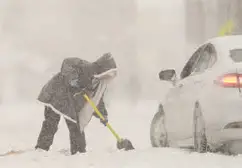
Showing Up Under Pressure Storms reveal systems and they reveal people. Our nurse and client care tech stayed on site throughout the entirety of the storm, working extended hours with minimal sleep to ensure safety, medication management, meals, and emotional support continued without interruption. Our Program Manager stepped in wherever needed; transporting staff, securing groceries and supplies, and tracking down individualized items requested by clients, so care remained personal and consistent. One staff member went above and beyond; navigating icy roads to safely transport clients, retrieve essential supplies, pick up our Chef, and later shovel walkways and the smoking area so clients could safely access the outdoor patio as conditions improved.
This wasn't about heroics; it was about showing up.
Healing Happens in the Middle of Real Life
For many clients, the shared experience became therapeutic in ways that weren't planned.
'When we realized we were all stuck, we jumped in and helped. We cooked, served meals, and did dishes,' Retired Police Officer Being allowed to contribute (to help, to be useful) mattered. For individuals struggling with depression, trauma, or loss of identity tied to work, stepping into a purposeful role helped restore a sense of agency that often disappears in early recovery. Others found grounding in connection. 'Zoom groups weren't my thing, but the conversations in the house really helped,' Former Police Officer One client leaned directly into the conditions as part of his coping work. 'I'm working on cold therapy, so the weather helped me cope. Being outside in the snow and feeling the cold grounded me and reminded me I could tolerate discomfort without shutting down,' Fire Lieutenant, Memphis.
And for some, the storm mirrored deeper internal work already happening. 'Even with fears about my career and what comes next, being here during all of this is the best decision I've made for myself in a long time.'
What We're Taking With Us
This storm reminded us that treatment doesn't happen in controlled environments. It happens in real life with power outages, delayed flights, anxiety about home, and uncertainty layered on top of already heavy loads. Healing doesn't require perfect conditions. It requires consistency, connection, and people willing to show up. We're proud of our clients for staying engaged through a challenging week. We're grateful for a staff team that adapted without losing sight of why they're here. And we're reminded, once again that resilience often shows up quietly, in shared meals, steady routines, and people choosing to help one another when things get hard. If this storm stirred something in you: stress, irritability, old memories, or the urge to push through alone, you don't have to carry it by yourself. We're here. Before, during, and after the storm.
Magnolia Meadows Residential Treatment Facility provides Treatment exclusive for First Responders & Veterans battling Trauma, Mental Health Conditions and Co-Occurring Disorders, creating a healing atmosphere for recovery, and instill a confident hope that better days are ahead.
Reach out to learn more or speak with an admissions specialist.
855-644-7500
info@magnoliameadows.com