
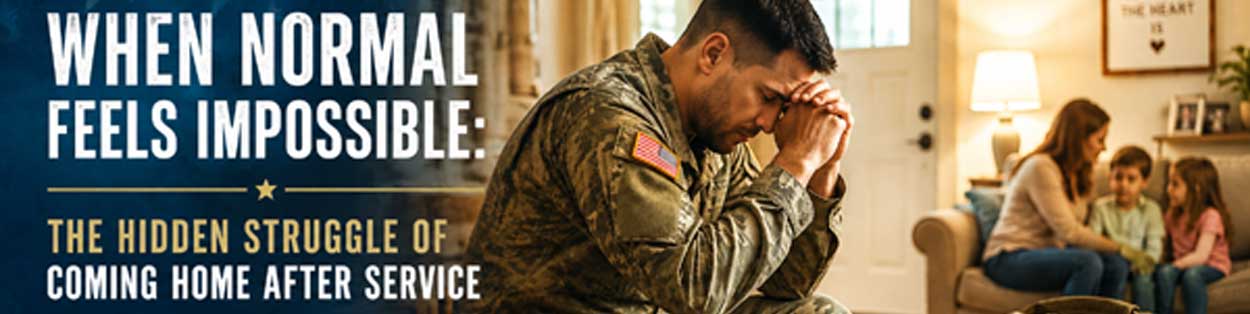
When "Normal" Feels Impossible: The Hidden Struggle of Coming Home After Service
By: Magnolia Meadows
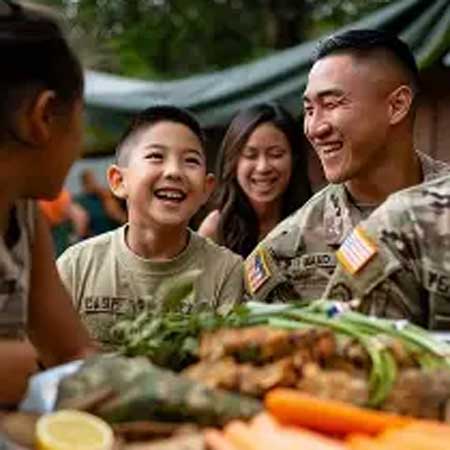 For first responders, active-duty military personnel, and veterans, some of the hardest moments do not happen during an emergency call, a deployment, or a tour of duty. They happen afterward. They happen at the dinner table, during family gatherings, or while standing in a break room trying to make casual conversation.
Many people assume that once a shift ends or a deployment is over, life simply returns to normal. For those who have spent years responding to crises, witnessing trauma, making split-second decisions, and carrying tremendous responsibility, it is rarely that simple. The mind and body adapt to high-stress environments, and those adaptations do not disappear the moment someone gets home.
The Challenge of Leaving the Job at Work
A police officer may spend an entire shift responding to violence, overdoses, or fatal accidents, only to come home and struggle to engage in everyday conversation. A firefighter may spend hours navigating dangerous situations and then sit quietly at dinner because they are emotionally exhausted. An EMT may find themselves replaying difficult calls long after their shift ends, making it difficult to fully connect with family and friends.
While loved ones often expect a first responder to relax once they walk through the front door, the reality is that the nervous system does not always switch off that easily. The stress, adrenaline, and emotional weight of the day can linger long after the shift is over.
Returning Home After Deployment
The same challenge often affects active-duty military personnel returning from deployments or training rotations. Service members become accustomed to operating in environments where awareness, discipline, and readiness are essential. Every decision can carry significant consequences, and staying alert becomes second nature.
Returning home means shifting from a mission-focused mindset into family life, relationships, and everyday routines. While many people expect that transition to happen naturally, it can feel surprisingly difficult. A service member may be physically home but still feel mentally connected to the experiences, responsibilities, and demands of military life.
This adjustment period can leave many wondering why they cannot simply relax and enjoy being home.
Life After Military Service
Veterans often experience similar struggles long after leaving military service. They may have successful careers, strong families, and fulfilling lives, yet still feel disconnected from the people around them.
Military service shapes the way individuals see the world. The experiences, responsibilities, and sacrifices that come with serving can create perspectives that civilian friends, family members, and coworkers may not fully understand. As a result, some veterans find themselves feeling isolated even in rooms full of people.
The transition out of military life is not just about changing careers. For many, it is about redefining identity, purpose, and connection.
Why Small Talk Can Feel So Difficult
One of the most common challenges among first responders, active-duty military members, and veterans is something few people talk about: small talk.
It can feel strange to spend years discussing emergencies, life-and-death situations, missions, trauma, and critical decisions, then suddenly find yourself talking about the weather, a television show, or weekend plans. Conversations that seem effortless for others can feel draining, awkward, or even meaningless.
Many people begin to wonder if something is wrong with them. In reality, this reaction is often a normal response to extraordinary experiences.
When someone has spent years operating in environments where every decision matters, everyday conversations can feel disconnected from the realities they have lived. That does not mean they are uncaring. It simply means their experiences have changed the way they relate to the world around them.
Wondering what treatment is really like?
Our Alumni Peer Support Program gives you the opportunity to speak with
Magnolia Meadows alumni who have experienced the journey firsthand.
Learn what to expect before admission, what daily life in treatment is
like, and how recovery continues after discharge. Through honest,
real-life conversations, alumni provide insight, encouragement, and hope
to help you feel more confident about taking the next step toward healing.
You will speak directly with an alumnus or alumna in the same field who
can provide honest, transparent feedback about their experience in
treatment and at Magnolia Meadows.
Talk to a Alumni
Over time, many first responders, service members, and veterans begin to feel isolated. They may withdraw from social situations because they feel misunderstood. They may struggle to explain what they have experienced. Some stop trying altogether because they believe no one will truly understand.
Family members often notice the distance but do not always understand where it comes from. The individual may still deeply love their spouse, children, and friends, yet feel emotionally disconnected or unable to engage the way they once did.
This can lead to frustration on both sides and create stress within relationships that were once a source of comfort and support.
The Cost of Pushing Through
Many people cope by telling themselves they should be able to handle it. They push through, stay busy, focus on work, and convince themselves that asking for help is unnecessary.
Unfortunately, avoiding the problem does not make it disappear.
Unresolved stress and trauma can contribute to anxiety, depression, burnout, sleep problems, relationship difficulties, emotional detachment, and symptoms of PTSD. What begins as difficulty decompressing after work can eventually affect every area of life.
The truth is that struggling to decompress after a shift, a deployment, or a career of service is far more common than most people realize. Difficulty communicating, feeling disconnected from loved ones, or finding it hard to engage in everyday life does not mean something is wrong with you. It means your mind and body have adapted to extraordinary circumstances.
 How Treatment Can Help
The good news is that healing is possible.
Specialized treatment for first responders, active-duty military personnel, and veterans can help individuals understand how trauma and chronic stress affect their thoughts, emotions, and relationships. Treatment can provide tools to manage PTSD symptoms, reduce anxiety, improve communication, strengthen relationships, and create healthier ways to cope with stress.
Perhaps most importantly, treatment can help people reconnect with themselves and the people they care about most. It can provide a safe place to process experiences that are difficult to discuss and offer support from professionals who understand the unique challenges of military and first responder cultures.
You Do Not Have to Carry It Alone
You dedicated your life to serving others. You should not have to carry the weight of those experiences alone.
If you are a first responder who cannot seem to leave the job behind, an active-duty service member struggling to reconnect after a deployment, or a veteran who feels disconnected from civilian life, help is available. Specialized behavioral health treatment can provide the support, understanding, and tools needed to heal, grow, and build a more connected life.
You spent years taking care of everyone else. Now it is time to invest in your own well-being. Contact us today to learn how specialized treatment for first responders, active-duty military personnel, and veterans can help you heal from trauma, manage operational stress, and reconnect with the life waiting for you outside of service.
Magnolia Meadows Residential Treatment Facility provides Treatment exclusive for First Responders & Veterans battling Trauma, Mental Health Conditions and Co-Occurring Disorders, creating a healing atmosphere for recovery, and instill a confident hope that better days are ahead.
Reach out to learn more or speak with an admissions specialist.
855-644-7500
info@magnoliameadows.com